
 As of 2018, it is no longer possible to deduct IRA losses from your income. The Tax Cuts and Jobs Act of 2018 eliminated this and many other miscellaneous itemized deductions.
Prior to 2018, if you had losses in your IRA with non-deductible contributions, you could cash out the entire IRA and deduct the loss on your Schedule A of your tax return. The deduction was limited to the amount greater than 2% of your Adjusted Gross Income. The loss had to be in excess of your basis, the non-deducted contributions to the account. Plus, the loss must be aggregated over all of your IRA accounts – because of the pro rata rule for distributions.
I realize that this is a pretty rare circumstance. But if you have losses in your IRA it used to be a consolation prize after you’ve had significant losses in your IRA.
Sorry to be the bearer of bad news.



 Sterling Raskie, MSFS, CFP®, ChFC®
 The latest in our Owner’s Manual series, A 401(k) Owner’s Manual, was published in January 2020 and is available on
  A Medicare Owner’s Manual, is updated with 2020 facts and figures. This manual is available on
  Social Security for the Suddenly Single can be found on Amazon at
  Sterling’s first book, Lose Weight Save Money, can be
 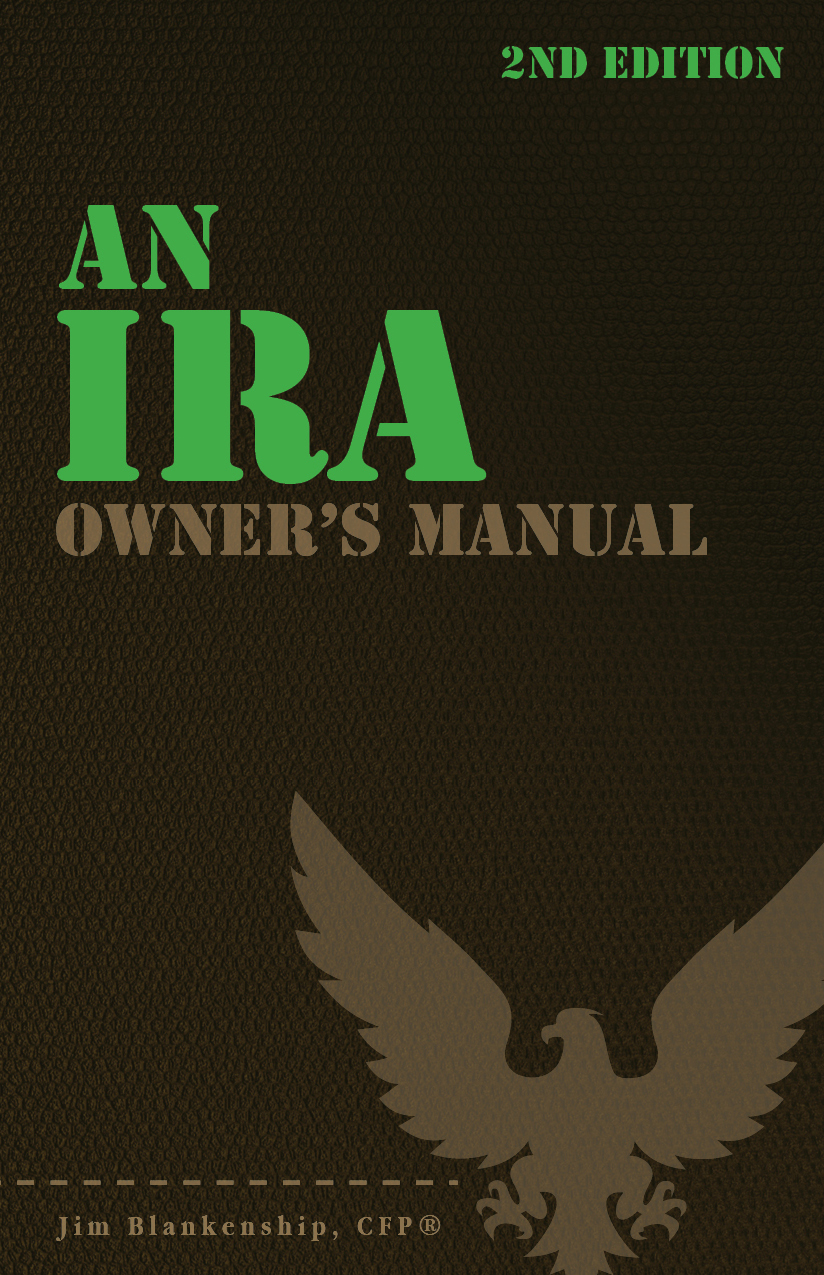 An IRA Owner’s Manual, 2nd Edition is available for purchase on Amazon. Click the link to choose the
 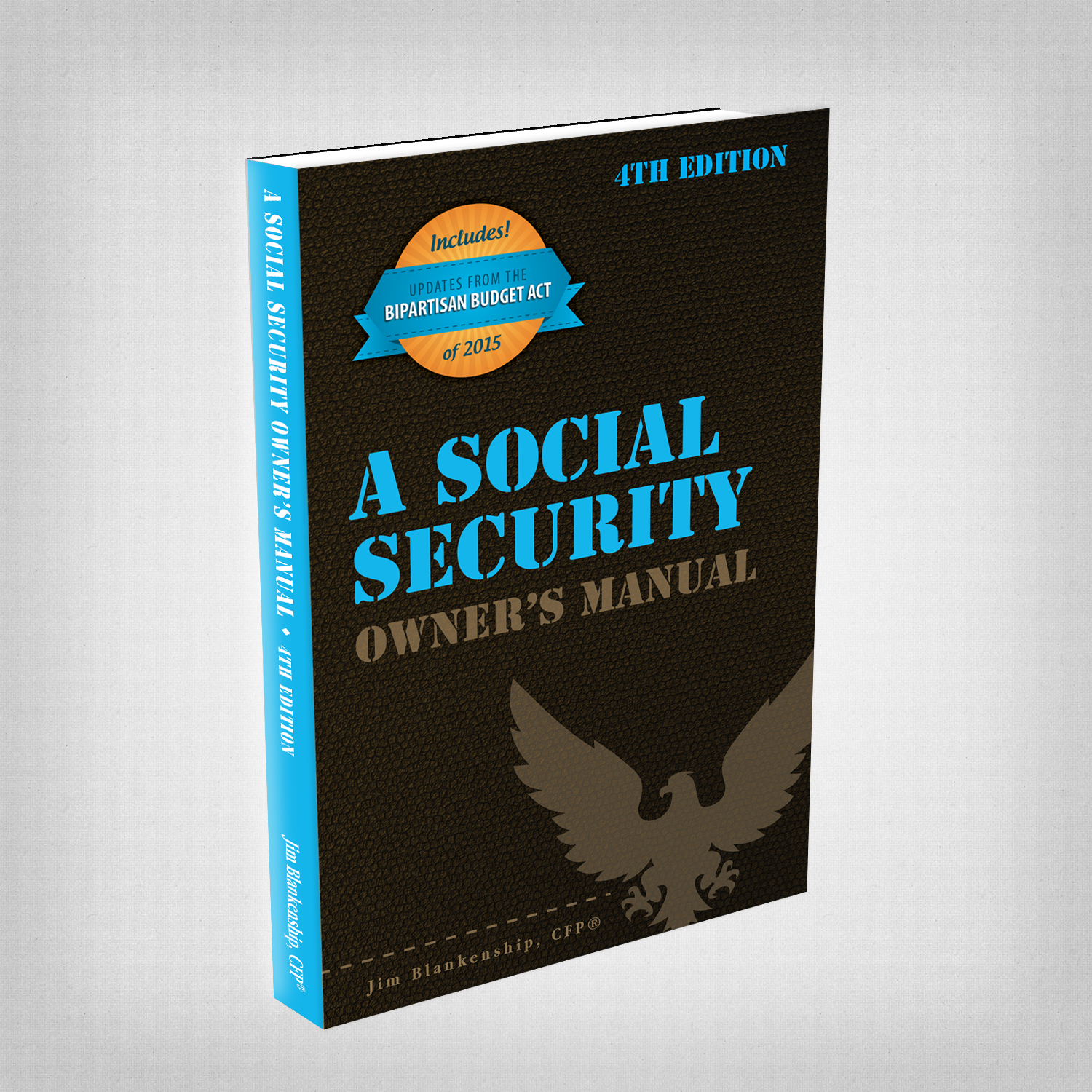 Jim’s book – A Social Security Owner’s Manual, is now available on Amazon. Click this link for the
  And if you’ve come here to learn about queuing waterfowl, I apologize for the confusion. You may want to discuss your question with Lester, my loyal watchduck and self-proclaimed “advisor’s advisor”.