
This article takes a long hard look at these three “facts” about Social Security filing age and shows the real math behind them. All three are only true to a point – and as you’re planning your Social Security filing age, you should understand the real truth behind these three items. First, let’s look at the concept of delay. You Should Always Delay Your Social Security Filing Age to 70 This one is the easiest to understand why it’s wrong – but the component of truth in it can be important because it could work in your favor to delay. Of course an absolute like this is going to be proven incorrect in some circumstances. If you happen to be able to delay your Social Security filing age and you live a long time after age 70, over your lifetime you will receive more from Social Security than if you […]
social security survivor benefits


Interaction of Survivor Benefits with Your Own Benefits
Social Security Survivor Benefits can be a critical lifeline for surviving spouses. The interaction of survivor benefits with your own benefits can be a bit confusing though. Does starting to receive one benefit affect your future amount of the other benefit? How about vice-versa? There’s a lot written about the topic in Social Security’s POMS manual, but it becomes very simple after you study it a bit. The interaction of survivor benefits with your own benefits can be played out in one of two ways: either you take your own benefit first and the survivor benefit later; or vice versa, taking the survivor benefit first followed by your own benefit. We’ll look at each of these methods and review the interaction of survivor benefits with your own benefits. Note: in our examples, we are assuming that the survivor benefit has been calculated correctly per the late spouse’s circumstances. See How […]
Share, tweet, print, email, like or pin this post:


Social Security Benefits After First Spouse Dies
When your spouse dies there are a few things that happen to your Social Security benefits that you need to be aware of. These things will affect your benefits significantly if your own benefit is less than that of your late spouse’s benefit (or Primary Insurance Amount). These changes to available benefits could also result in increased benefits if your own benefit is the larger of the two. These same impacts are apparent for ex-spouses as well. While reading the below, just replace “your spouse” with “ex-spouse” and all provisions are the same. Spousal Benefits cease When your spouse dies, the spousal benefits that you may have been receiving will cease. This means that your own benefit is the only retirement benefit that you will receive at this point. For example, Jane and John, both age 64, have been receiving Social Security benefits for a couple of years. Jane’s PIA […]
Share, tweet, print, email, like or pin this post:

7 Questions About Divorcee Social Security Benefits
Included in the myriad of questions that I regularly receive from readers are questions about how a divorced person can collect benefits based upon his or her ex-spouse’s Social Security record. For a divorcee (as with many married couples) sometimes the ex’s benefits represent the lion’s share of the couple’s SS record. Because of this, many divorcees are very interested in knowing what benefits are available to them, and when. In addition, even when the divorced spouse in question is not the higher earner there are questions about benefits that can be quite difficult to find answers for.
Share, tweet, print, email, like or pin this post:

8 Questions: Social Security Survivor Benefits
In this previous article we addressed some of the most common questions about Social Security Spousal Benefits. Keeping with the theme of developing FAQ sheets, today I’ll go through some of the most common questions about Social Security Survivor Benefits. Survivor Benefits are available when a Social Security recipient passes away and leaves surviving dependents – spouse, children, and other dependent family members.
Share, tweet, print, email, like or pin this post:

Windfall Elimination Provision May Impact Spousal Benefits but not Survivor Benefits
When your Social Security retirement benefit is subject to the Windfall Elimination Provision (WEP), you’re likely painfully aware of the reduction to your own benefit by this provision. What you may not be aware of is that the effect goes beyond your own benefit – your spouse’s and other dependents’ benefits are also impacted by this provision. However, the impact of WEP does not continue after your death.
Share, tweet, print, email, like or pin this post:

Earnings Tests Apply to Spousal and Survivor Social Security Benefits As Well
If you’re receiving Spousal or Survivor Social Security benefits and you’re under Full Retirement Age, you need to know that any earnings that you have can have an impact on the benefits that you’re receiving. These are the same limits that apply to regular retirement Social Security benefits, and they apply in the same manner. For 2013, if you will not reach Full Retirement Age during this calendar year, the earnings limit is $15,120, or $1,260 per month. For every $2 over that limit that you earn for the year, your Social Security benefit will be reduced by $1. For example, if you earned $20,000 for the year, you are over the limit by $4,880, and you’ll lose $2,440 of your benefit. If you will reach Full Retirement Age in 2013, the earnings limit is $40,080, or $3,340 per month – and the treatment is different. In this case, for […]
Share, tweet, print, email, like or pin this post:

Why It Can Be So Important to Delay Social Security Benefits
It seems like every time I write an article about Social Security benefits that includes a recommendation to delay benefits, I get a lot of responses from well-meaning folks who disagree, sometimes vehemently, with the conclusions. There are several points of view that I see in the responses, all believing that you should start taking benefits as soon as you’re eligible: you never know how long you’re going to live; Social Security is going broke, we all know it; IT’S MINE, DADGUMMIT, THEY OWE IT TO ME; and it’s all part of a huge conspiracy; among other reasons too numerous to mention. Believe me, I have no reason to recommend that people do something that isn’t in their best interests. As a financial planner, my job is to help folks do things that are in their best financial interests all the time. Sometimes those things that I recommend run counter […]
Share, tweet, print, email, like or pin this post:

Additional Factors About Survivor Benefits
Seems like there is always something to learn. No matter how much you know and study a subject, it seems there are always factors that are uncovered that you weren’t aware of – and I find this sort of thing from time to time. Recently, I have been made aware of a couple of factors that I had misunderstood previously about Social Security Survivor Benefits – thanks to my friend Dana Anspach, who blogs over at MoneyOver55.About.com. Thanks Dana! Limit on Reductions to Survivor Benefits The first factor is one that I wasn’t even aware of – regarding how reductions on Survivor Benefits work in a very specific situation. The situation is when the deceased spouse was not at least at Full Retirement Age and he or she was receiving retirement benefits as of the date of death. In this situation, the amount of benefit that is used to begin […]
Share, tweet, print, email, like or pin this post:

When to File For Social Security Benefits
Image via Wikipedia All future Social Security recipients face this question at some point: When should I file for benefits? As you are likely aware, age 62 is the earliest that you can file for benefits. By filing at this age, you will begin receiving your benefit at a reduced amount – perhaps as much as 30% reduced. Waiting to file until your Full Retirement Age (FRA) will allow you to receive the full benefit amount, without reductions. You could also wait until age 70 to file for benefits, which would result in an overall increase to your monthly benefit amount, by as much as 32% in some cases. Granted, you will have foregone several years’ worth of payments if you wait to file at some age later than 62, but on average, it all works out about the same (with a few exceptions). The way that these reductions and […]
Share, tweet, print, email, like or pin this post:

The Social Security Survivor Benefit – Part 2
Note: you can find the first part of this discussion of Social Security Survivor Benefits at the link. Part 1 covered the basics of Survivor Benefits, and this article covers other considerations with the Survivor Benefit, including non-spouse survivor’s benefits and coordinating the Survivor Benefit with your own benefit. As mentioned in the prior articles, don’t expect to fully understand these calculations and definitions in the first run-through. Check over the other articles (Part 1 here, Spouse Benefits here and especially the further explanation of Spouse Benefits here) for more information, and post questions in the comment section if they come up.



 Sterling Raskie, MSFS, CFP®, ChFC®
 The latest in our Owner’s Manual series, A 401(k) Owner’s Manual, was published in January 2020 and is available on
 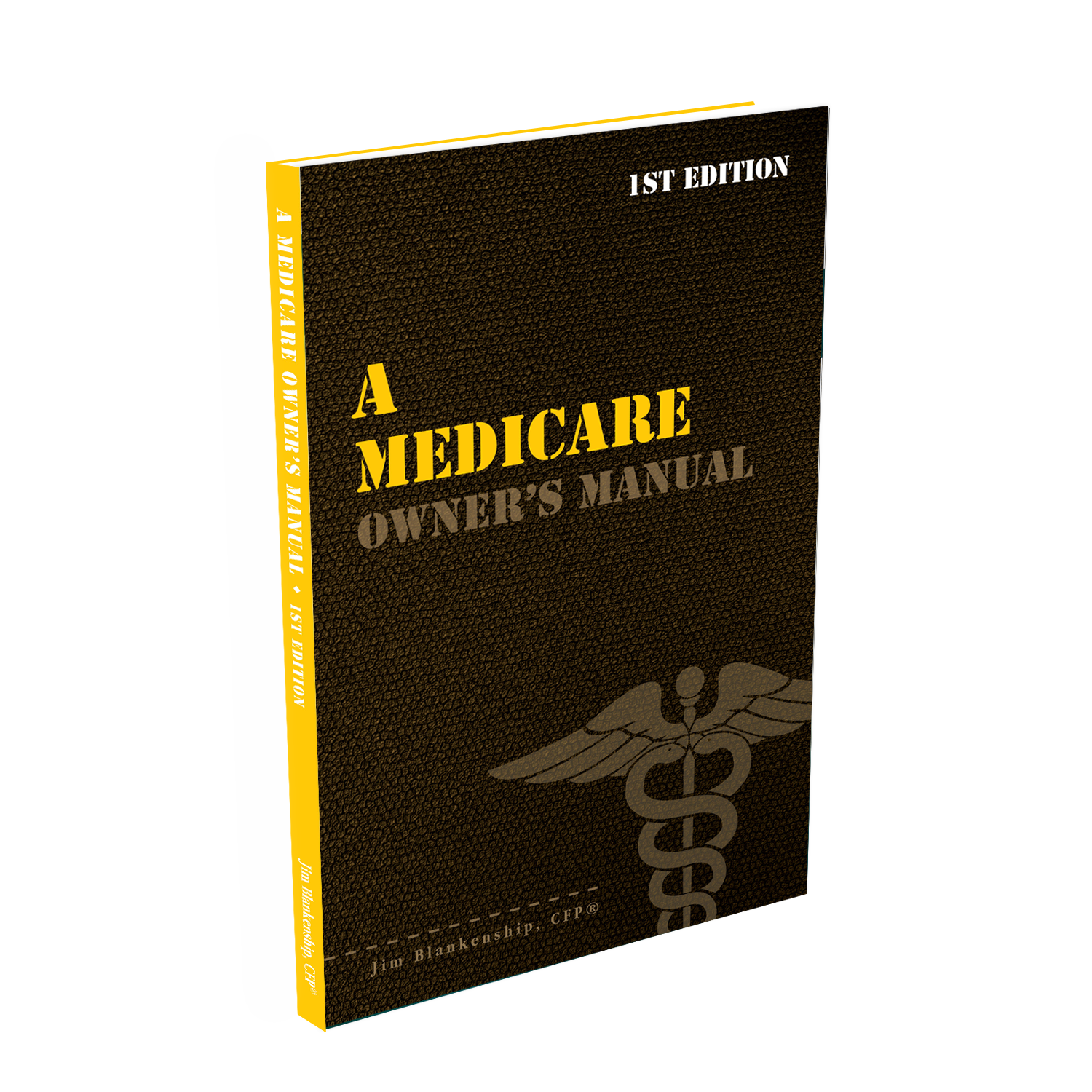 A Medicare Owner’s Manual, is updated with 2020 facts and figures. This manual is available on
  Social Security for the Suddenly Single can be found on Amazon at
  Sterling’s first book, Lose Weight Save Money, can be
 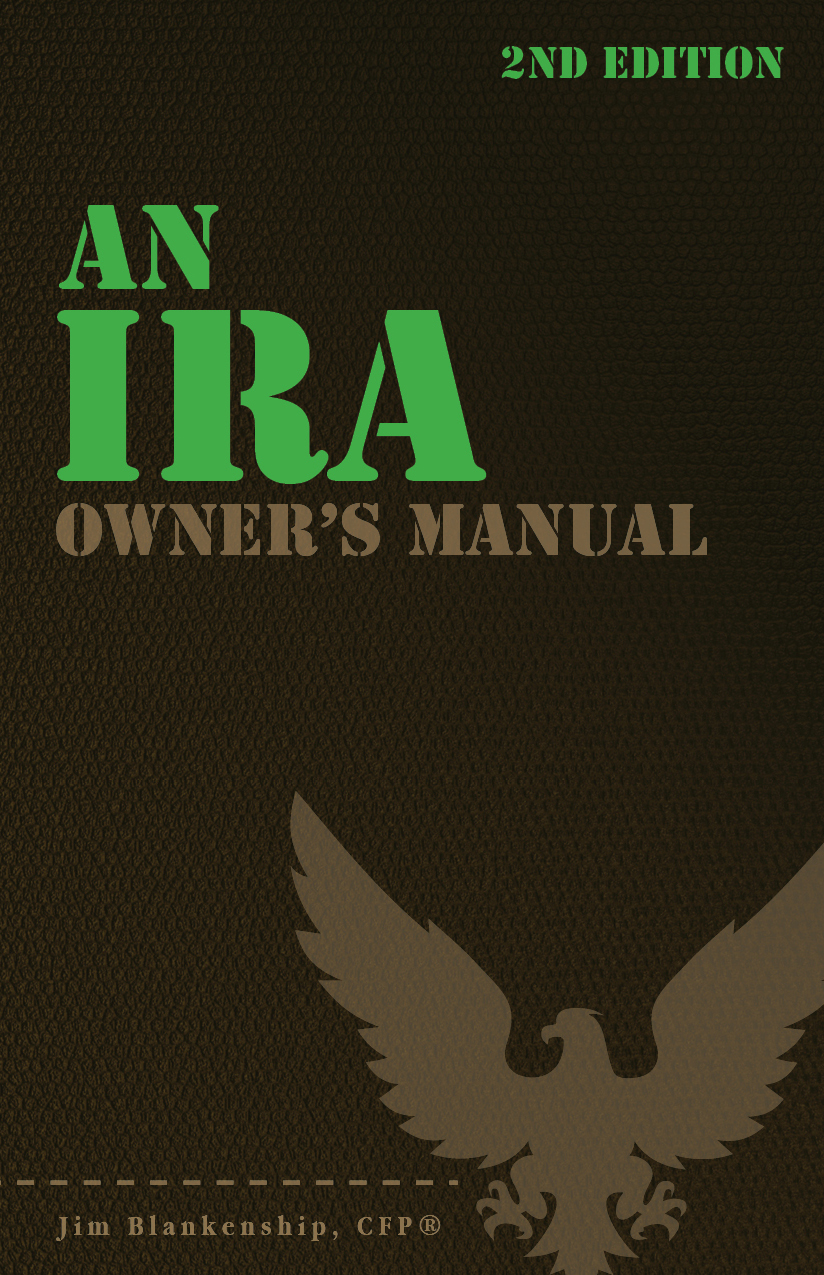 An IRA Owner’s Manual, 2nd Edition is available for purchase on Amazon. Click the link to choose the
 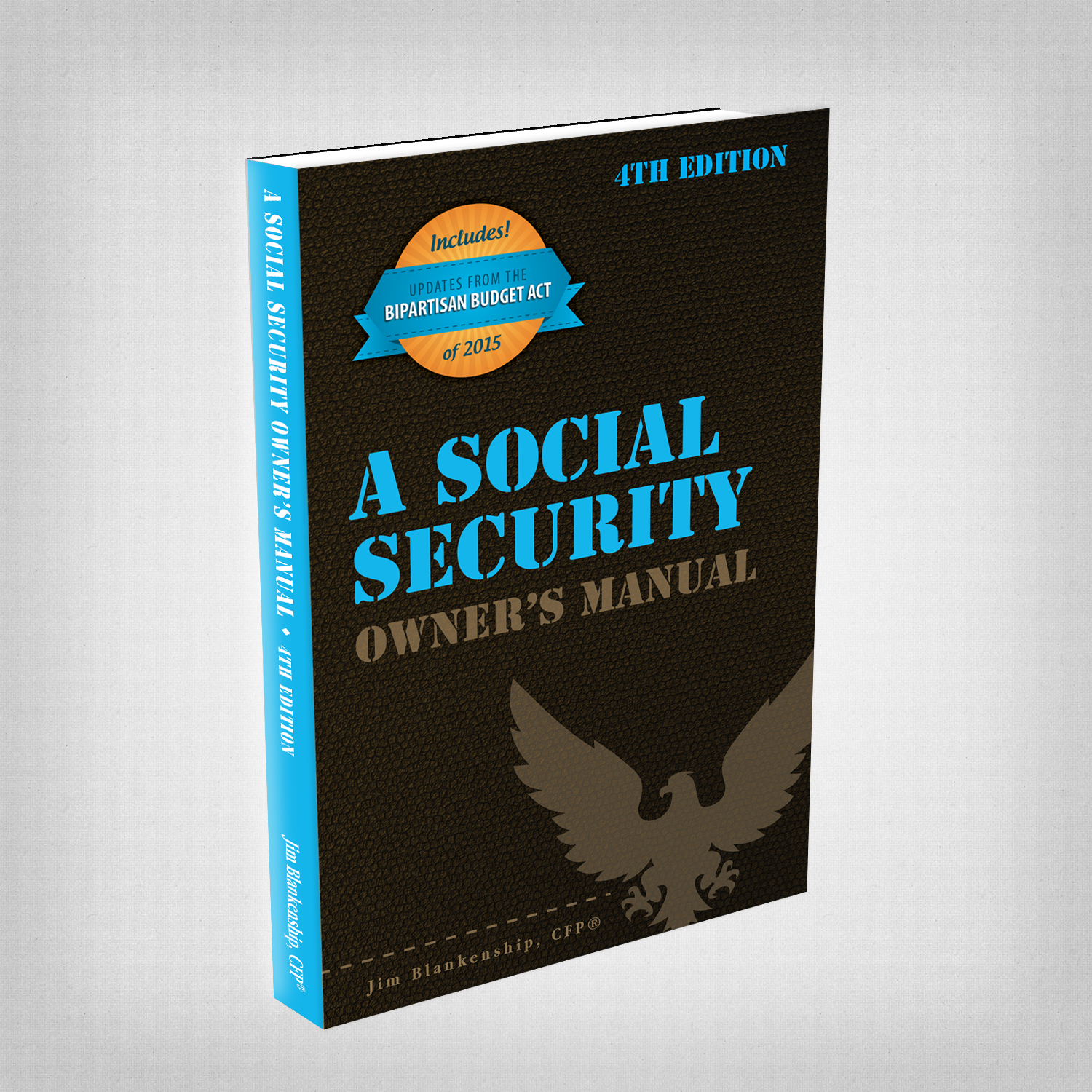 Jim’s book – A Social Security Owner’s Manual, is now available on Amazon. Click this link for the
  And if you’ve come here to learn about queuing waterfowl, I apologize for the confusion. You may want to discuss your question with Lester, my loyal watchduck and self-proclaimed “advisor’s advisor”.