

Photo by: jb
While it may seem like a simple idea to just make your estate the beneficiary of your IRA, thereby allowing you to make adjustments to your final beneficiaries via your will – there is a problem that will arise if you decide to take this route. Most often this line of thinking is used because there is the assumption that the money will be treated the same via your estate as it would if you specifically named the beneficiaries on the IRA documentation.
The problem is that IRAs are (as we’ve discussed in many other posts) much different from your other assets, with special rules that apply ONLY to IRAs, and of course, those special rules extend beyond the grave.
The Problem with Distribution
Here’s the problem: in order to arrange for an extended period of distribution to your heirs (i.e., a stretch IRA or the 10-year distribution period), there must be a specific “designated beneficiary” for the account. The designated beneficiary must be a person, not an entity such as an estate. So, if you designate the estate as your beneficiary, there is not a specific person designated as the beneficiary.
Without a designated beneficiary, the benefits have to be paid out within 5 years (if the decedent was not yet subject to RMDs) or at most within the remaining single life expectancy of the decedent (if he or she was receiving RMDs at the date of death).
The Problem with Income Taxes
Furthermore, an estate has to pay income tax at the top tax rate, 35%, with a much lower bracket. This can often be overcome by having the estate distribute the retirement plan distributions directly to the beneficiaries instead of to the estate. But as you can see, if this step is not taken, there can be a significant tax impact for using the estate as the conduit.
See Through?
But (you’re saying to yourself) Jim! Why can’t the designated beneficiary just be one of the individuals, like you told us about with the see-through trust? Funny you should ask, because I have an answer to that: because the IRS says so.
Estates are treated differently than the see-through trust for this purpose. A see-through trust is a specifically-designed entity that the IRS allows you to use as a conduit for distributing your IRA assets to your heirs without naming them specifically on the IRA.
So the answer may be to designate a see-through trust as the beneficiary, instead of your estate. By doing so, you’d achieve the same sort of flexibility as desired, although you’d have one additional document to maintain (on top of your will).
The one time I can think of that it may make the sense to make the estate the beneficiary of the IRA account is if you know that there are certain post-death expenses that will definitely be expended and/or estate taxes, and these expenses will use up the IRA account. This will have the effect of keeping these funds from being separated out from the estate, and therefore taxed to the beneficiaries prior to being used for these post-death expenditures.



 When you’re married to someone who has worked under the Social Security taxation system, you have two different benefits that may be available to you: Survivor Benefits, and Spousal Benefits. These two benefits may be more than the benefit you’ve earned under your own working record.
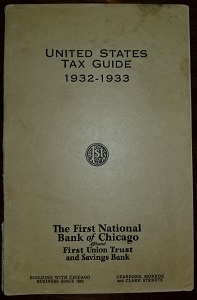
 As taxpayers, many of us have faced difficulties in dealing with the IRS – and it can be a daunting position to be in. One way to deal with these issues is to hire a CPA or Enrolled Agent to help you through the process. Another way is to deal with it yourself. The problem is that dealing with the IRS by yourself can be a very difficult thing to do.



.jpg)




 If you’re trying to find information from your prior years’ tax returns and you don’t have the old forms (who has the space to keep all that!?), you have a few options available to you.
 Sterling Raskie, MSFS, CFP®, ChFC®
 The latest in our Owner’s Manual series, A 401(k) Owner’s Manual, was published in January 2020 and is available on
 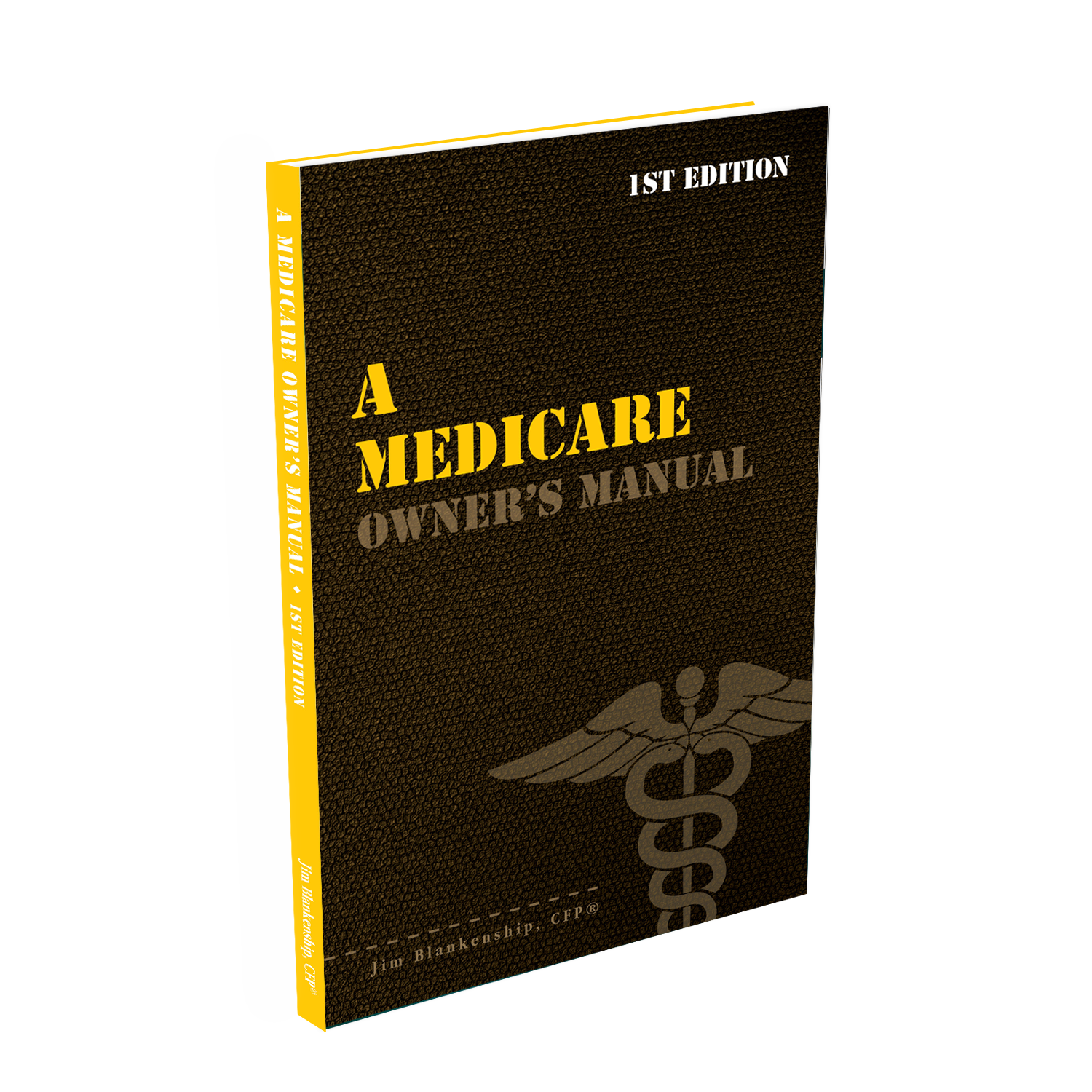 A Medicare Owner’s Manual, is updated with 2020 facts and figures. This manual is available on
  Social Security for the Suddenly Single can be found on Amazon at
  Sterling’s first book, Lose Weight Save Money, can be
 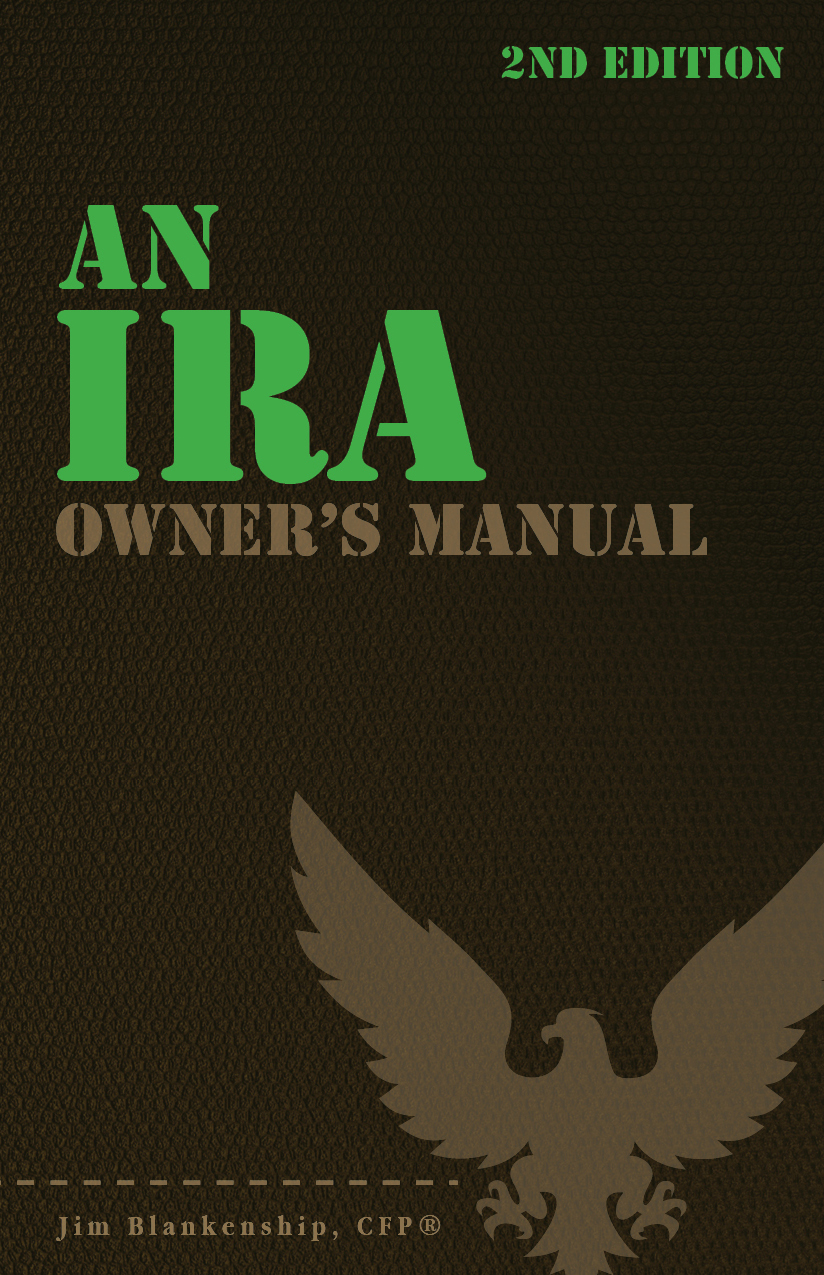 An IRA Owner’s Manual, 2nd Edition is available for purchase on Amazon. Click the link to choose the
 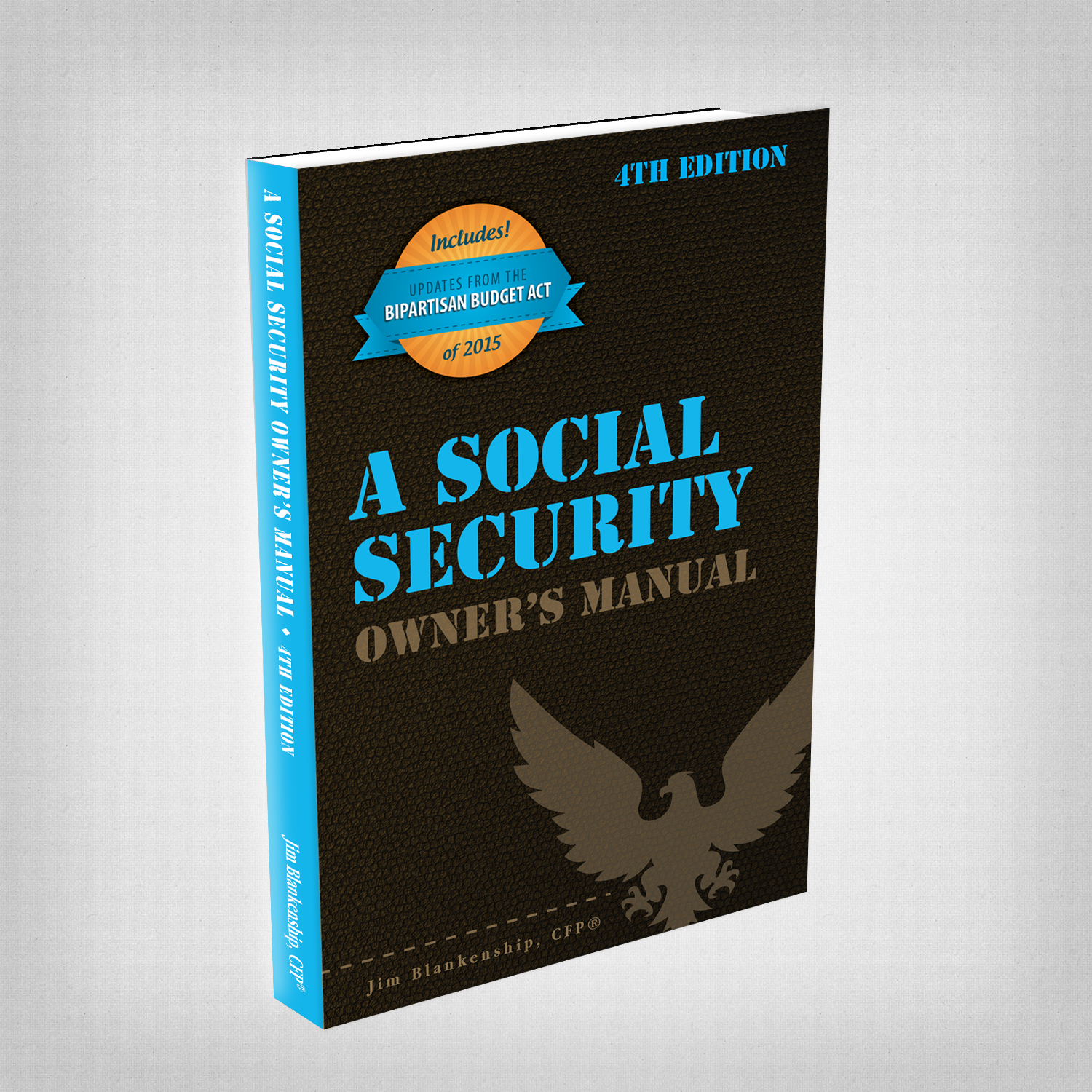 Jim’s book – A Social Security Owner’s Manual, is now available on Amazon. Click this link for the
  And if you’ve come here to learn about queuing waterfowl, I apologize for the confusion. You may want to discuss your question with Lester, my loyal watchduck and self-proclaimed “advisor’s advisor”.